




Folk Houses


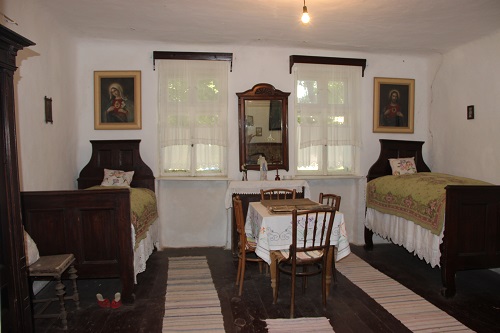
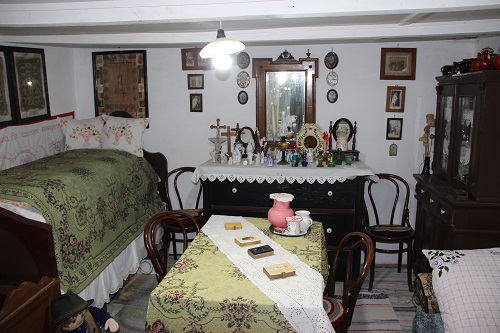
Magda Szabó, a retired kindergarten teacher, spent 50-60 years collecting items for her collection in Tornjoš. The core of the collection consists of household items and furniture belonging to her and her husband’s ancestors, including objects from the Banat, Ostojićevo, Bačka, and Csanád regions. The collection has been continually expanding thanks to voluntary donations from the people of Tornjoš and its surrounding areas.
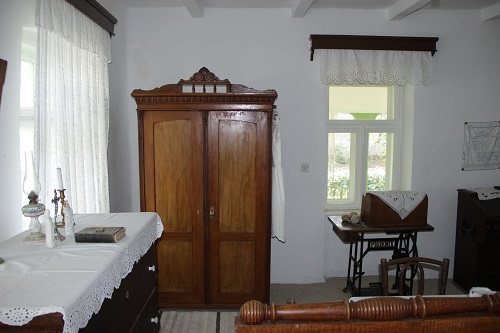
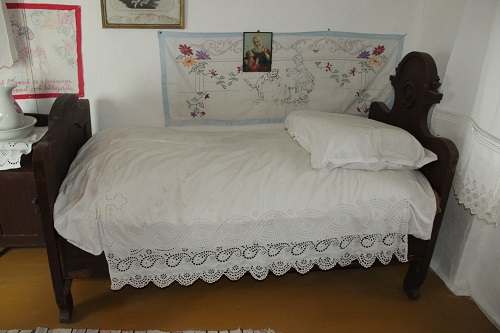
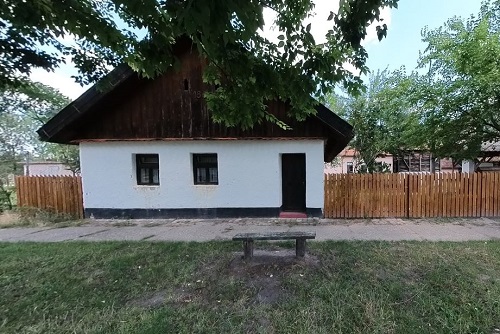
The Torda Folk House was established in 2022 on the initiative of Zsuzsanna Mezei and the Torda Club. The building represents the so-called “village secession” style, reflected in the design of the windows and doors. The house layout remains in its original state. The building consists of an open gallery and five rooms: a living room, a smaller bedroom, a pantry, a kitchen, and a laundry room.

Members of the Délibáb Tradition and Nature Preservation Group in Sajan began collecting artifacts related to the village’s history in 1993. The collection, which contains approximately 1,500 objects, includes folk ceramics, home industry textile products, and various other home textiles.

The Torontál Hungarian Educational, Cultural and Youth Centre of Rusko Selo, founded in 2004, focuses specifically on preserving the material heritage of the local Hungarian community. From the very beginning, one of its main goals was to establish a country house museum, which was successfully realized at the end of 2004 and the beginning of 2005.

The Tamási Áron Székely–Hungarian Cultural Association of Hertelendyfalva has been nurturing and preserving the dialect, traditions, and customs of the Székely people of Bukovina settled along the Lower Danube. The ethnographic collection maintained by the association is composed entirely of donations from local residents and is housed in a newly built building completed in 2019.

Belo Blato is located 17 kilometers from Zrenjanin. Its population is composed of Slovaks, Hungarians, Bulgarians, and Serbs, and until the Second World War it also had a significant German population. The country house museum was established in 2005 at the initiative of the local "Bratstvo–jedinstvo" Elementary School.


The website was created with the support of the Hungarian Government